

Module 8
Contamination Control, Aseptic Awareness and Sterile Manufacturing
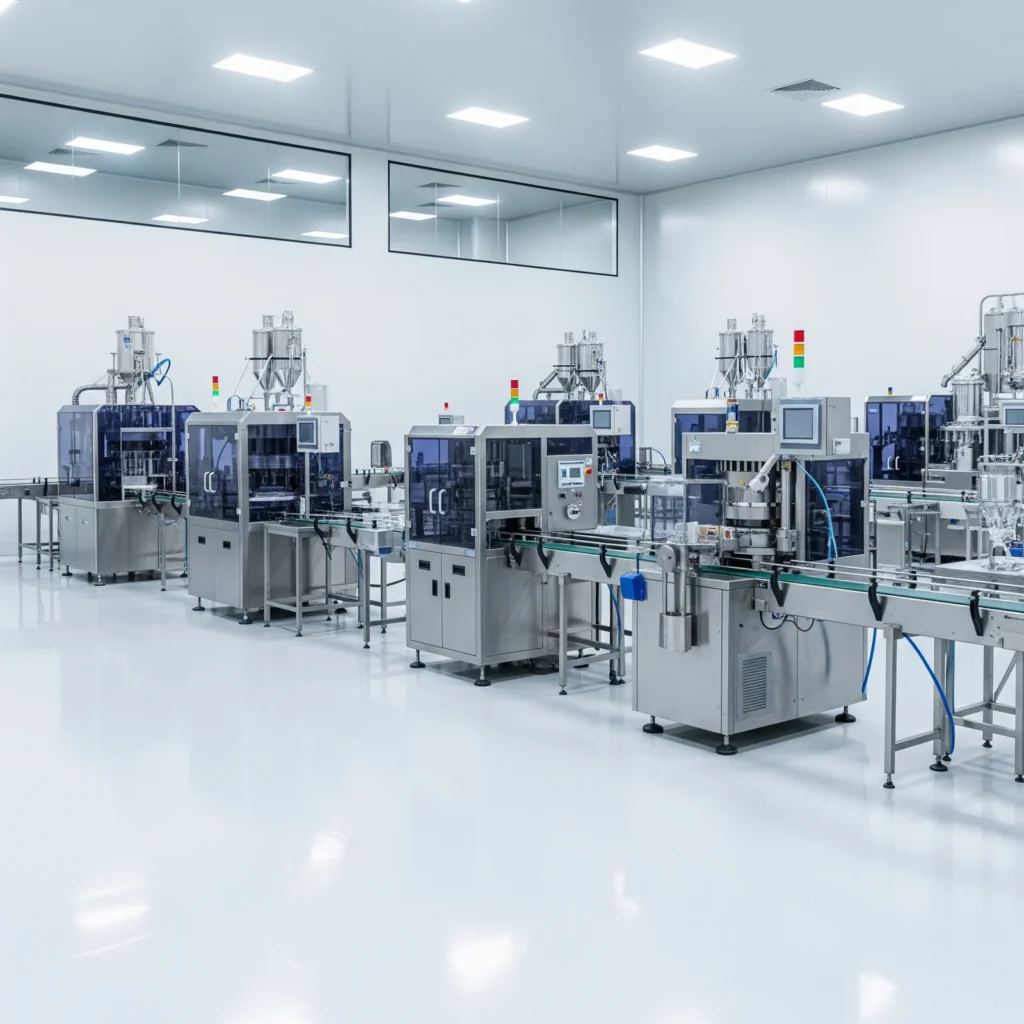
Course Overview
This course establishes the essential contamination control foundation needed by pharmaceutical employees whose decisions, behaviours or processes can affect product purity, patient safety, sterile assurance, licence compliance or regulatory confidence.
Contamination control is not only a sterile manufacturing issue and it is not owned by microbiology or QA. It is a company-wide discipline involving facility design, utilities, cleaning, disinfection, personnel behaviour, gowning, materials movement, equipment maintenance, environmental monitoring, supplier controls, warehouse practices, process design, deviation escalation, leadership decisions and the local Pharmaceutical Quality System.
The course covers contamination control across pharmaceutical manufacturing environments, with particular depth on sterile manufacturing and aseptic processing. Learners will understand the different forms of contamination, how they enter and move through pharmaceutical operations, how contamination risks are prevented and detected, and how the organisation’s Contamination Control Strategy translates regulatory expectations into daily behaviours and decisions.
It provides a practical bridge between contamination science, GMP discipline, sterile manufacturing expectations and cross-functional accountability.
Learning Outcomes
By the end of this course, learners will be able to:
- Explain why contamination control is directly linked to patient safety, product quality, sterile assurance, licence compliance and public trust.
- Distinguish between microbial, particulate, chemical, endotoxin or pyrogen, and cross-contamination
- Recognise how contamination can be introduced through people, materials, equipment, facilities, utilities, processes, cleaning failures, maintenance activity, poor behaviours or weak supplier
- Describe the purpose of a Contamination Control Strategy and how it connects facilities, processes, monitoring, cleaning, disinfection, sterilisation, people, materials and quality oversight.
- Understand the basic principles of cleanroom classification, environmental monitoring, contamination trending, alert and action limits, and excursion escalation.
- Explain the difference between terminal sterilisation, aseptic processing and other contamination control approaches.
- Recognise the importance of cleanroom behaviour, gowning discipline, material transfer, line clearance, sanitisation and aseptic awareness.
- Identify contamination-related events or observations that require escalation through the local
- Understand how different departments, including production, QC microbiology, QA, engineering, validation, warehouse, supply chain, procurement, cleaning teams, contractors and senior leadership, affect contamination control.
- Apply contamination control thinking to everyday workplace decisions, including when something appears damaged, unclean, uncontrolled, mislabelled, exposed, out of place or inconsistent with approved practice.
3.5Hrs of instructor led learning
Usable documents and templates
Real work examples and exercises
Course Content
Contamination is one of the most direct ways a pharmaceutical product can harm a patient. Unlike some quality defects, contamination may not be visible, may not be evenly distributed, and may not be detected by final testing. That makes prevention, disciplined behaviour, robust controls and early escalation absolutely critical.
For sterile products, contamination control is even more unforgiving. The revised EU GMP Annex 1 places strong emphasis on a documented, risk-based Contamination Control Strategy and on the holistic control of microbial, particulate and endotoxin or pyrogen contamination across sterile manufacturing activities. FDA aseptic processing guidance reinforces the importance of controls for aseptic processing under current good manufacturing practice expectations.
However, contamination control is not limited to sterile manufacturing. Non-sterile products, APIs, biologicals, ATMPs, liquids, creams, inhalation products, potent products, packaging operations and warehouse activities can all be affected by contamination or cross-contamination risks. A damaged container, poor cleaning practice, uncontrolled maintenance activity, inappropriate material flow, ineffective pest control, poor gowning discipline or badly managed HVAC intervention can create quality risk long before QA sees a record.
This course is essential because contamination control depends on thousands of small decisions made by people across the organisation. The risk is not controlled by a glossy CCS document sitting in SharePoint like a well-dressed hostage. It is controlled by whether people understand what can go wrong, follow the controls, recognise weak signals and escalate concerns before they become patient risk.
Types of Pharmaceutical Contamination
The course begins by explaining the main types of pharmaceutical contamination: microbial contamination, particulate contamination, chemical contamination, endotoxin or pyrogen contamination, and cross-contamination between products, materials or processes. Learners will explore how contamination can enter pharmaceutical operations through people, materials, equipment, air systems, water systems, compressed gases, cleaning failures, maintenance work, pest activity, poor segregation, damaged containers, inadequate supplier control or weak process design.
Contamination Control as a Lifecycle and Cross-Functional Discipline
The course then introduces contamination control as a lifecycle and cross-functional activity. It explains how facility design, cleanroom classification, pressure cascades, HVAC systems, water systems, utilities, material and personnel flows, cleaning and disinfection programmes, equipment design, maintenance, calibration, supplier qualification and training all contribute to contamination prevention.
The Contamination Control Strategy
A dedicated section focuses on the Contamination Control Strategy. Learners will understand what a CCS is, why regulators expect it, and how it should connect risk assessment, facility design, process controls, sterilisation, cleaning, disinfection, environmental monitoring, personnel practices, material controls, deviation management, CAPA, change control and management review. The course explains that a CCS is not simply a sterile manufacturing document; it is a living risk-control framework that must be understood and maintained by the functions that influence contamination risk.
Sterile Manufacturing Principles
The sterile manufacturing section covers the principles of sterile assurance, cleanroom classification, Grade A to D expectations, aseptic processing, terminal sterilisation, barrier technology, restricted access barrier systems, isolators, sterilising filtration, sterilisation methods, cleanroom behaviour, gowning qualification, aseptic technique and media fill design. Learners will understand why sterile processing requires exceptional discipline and why apparently minor behaviours can have disproportionate consequences.
Environmental Monitoring
Environmental monitoring is covered in practical terms. The course explains viable and non-viable monitoring, sampling locations, monitoring frequency, alert and action limits, trend review, excursion investigation, recovery expectations and the difference between collecting data and using data intelligently. It also addresses the danger of treating environmental monitoring as a testing exercise rather than a feedback system for contamination control performance.
Departmental Contributions to Contamination Control
The course examines how contamination control responsibilities sit across departments:
- Production and packaging: line clearance, exposed product, cleanroom behaviour, in-process controls, material segregation and batch discipline.
- QC microbiology: environmental monitoring, bioburden testing, endotoxin testing, sterility testing support, trend analysis and laboratory contamination control.
- QA: deviation oversight, batch impact assessment, CCS governance, change control, inspection readiness and quality risk management.
- Engineering and maintenance: HVAC, utilities, planned maintenance, intrusive work, contamination barriers, equipment design and return-to-service controls.
- Validation: sterilisation validation, media fills, cleanroom qualification, process simulation, cleaning validation interfaces and periodic review.
- Warehouse and supply chain: material status, damaged containers, segregation, storage conditions, pest control, supplier issues and transfer routes.
- Procurement and supplier quality: supplier controls for materials, components, disinfectants, garments, filters, single-use systems and outsourced services.
- Cleaning teams and contractors: site rules, access controls, gowning, approved agents, cleaning methods, documentation and escalation.
- Senior leadership: resource decisions, facility investment, contamination risk acceptance, quality culture and management review.
Escalation of Contamination Concerns
The course also covers escalation behaviour. Learners will understand what to do when they observe damaged packaging, exposed materials, unexplained residues, poor gowning practice, failed cleaning, HVAC alarms, environmental monitoring excursions, unusual odours, pest activity, water system concerns, sterilisation deviations, filter integrity issues, repeated maintenance interventions, blocked drains, poor housekeeping, or any condition that may compromise contamination control.
Common Inspection Deficiencies
The course concludes by reviewing common inspection deficiencies in contamination control and sterile manufacturing. These include weak or superficial CCS documents, poor environmental monitoring rationale, inadequate response to excursions, ineffective cleaning and disinfection, weak aseptic behaviours, poor media fill design, incomplete contamination investigations, inadequate HVAC or utility oversight, and leadership failure to address known contamination risks.
- Employees, contractors and third parties working in or supporting pharmaceutical manufacturing environments where contamination control matters.
- Sterile manufacturing operators, aseptic processing personnel, production supervisors and manufacturing managers.
- QC microbiology, environmental monitoring, sterility assurance and laboratory.
- QA professionals responsible for batch review, deviation management, sterile oversight, contamination investigations, CCS governance or inspection readiness.
- Engineering, maintenance, facilities, utilities, automation and validation personnel supporting cleanrooms, HVAC, water systems, sterilisation systems, process equipment or barrier.
- Warehouse, logistics and supply chain personnel involved in material receipt, storage, segregation, movement and transfer into controlled areas.
- Cleaning, sanitation, pest control and contracted service providers working in GMP.
- Procurement and supplier quality teams responsible for materials, components, garments, disinfectants, filters, single-use systems, cleaning agents or outsourced services.
- Regulatory affairs professionals supporting sterile product submissions or contamination-control related responses.
- QPs, site quality heads, operations leaders and senior managers accountable for sterile assurance, contamination risk governance, resources and quality culture.
- Employees in non-sterile manufacturing environments who need to understand contamination and cross-contamination risk at a practical GMP level.
You will understand how contamination risk arises, how it is controlled, and how your own decisions and behaviours can protect or compromise product quality. You will be able to recognise contamination hazards earlier, understand the purpose behind cleanroom and hygiene controls, and escalate concerns with greater confidence.
For learners in sterile manufacturing, microbiology, QA, engineering, validation or operations, the course provides a strong foundation in the principles behind Annex 1, aseptic practice, environmental monitoring, sterilisation and contamination control strategy. For learners outside sterile operations, it gives the practical awareness needed to avoid becoming the person who accidentally defeats a control they did not understand.
This module helps you move from “I follow the cleanroom rules” to “I understand what the cleanroom rules are protecting.”
Organisations benefit from a workforce that understands contamination control as a shared responsibility. This strengthens everyday GMP behaviour, improves escalation of weak signals, reduces avoidable contamination events, supports more meaningful investigations, and improves the effectiveness of the Contamination Control Strategy.
The course helps align production, QA, QC microbiology, engineering, validation, warehouse, cleaning teams, procurement, suppliers, contractors and senior leaders around a common understanding of contamination risk. That alignment is critical because contamination control fails most often at the interfaces: between departments, shifts, systems, suppliers, maintenance activities and management decisions.
It also supports inspection readiness by helping employees understand not only what the controls are, but why they exist. Inspectors look for evidence that the organisation understands its contamination risks and controls them consistently, not for staff who can recite the cleanroom rules without understanding what they are protecting.
- Comprehensive expert video
- Real-world case studies from sterile manufacturing, non-sterile manufacturing, microbiology, engineering, warehouse, supplier and regulatory environments.
- Practical examples of microbial, particulate, chemical, endotoxin or pyrogen, and cross-contamination risks.
- Cross-functional scenarios showing how different departments affect contamination control and sterile assurance.
- Practical exercises on contamination hazard recognition, cleanroom behaviour, environmental monitoring excursions, cleaning concerns, material flow risks and escalation through the local
- Contamination Control Strategy examples and review
- Sterile manufacturing and aseptic processing scenarios, including gowning, behaviour, sterilisation, media fill and environmental monitoring considerations.
- Multi-choice assessment
- Certificate of completion upon passing the
Course Details
Instructor(s):
Paul Palmer & Farah Nadeem
Level:
Practitioner
Duration:
3.5 Hours
Type:
Instructor led
Launch Yourself Into The Future.
Join Academy Pharmaceutical Excellence to gain industry-leading knowledge and skills through our comprehensive courses designed for aspiring professionals.